
Digital Transformation
Digital transformation is the process of integrating modern technologies into business operations to improve efficiency, enhance customer experiences, and drive innovation. It involves upgrading legacy systems, automating workflows, leveraging AI, and using data analytics to make informed decisions. Below are key aspects of digital transformation:
Cloud Migration for Existing Systems
Migrating existing systems to the cloud helps businesses scale efficiently, reduce infrastructure costs, and improve reliability. Cloud platforms like AWS, Azure, and Google Cloud offer on-demand resources, serverless computing, and managed services that enhance performance. Organizations can modernize their infrastructure by shifting from on-premise servers to cloud-based VMs, containers, or serverless functions, ensuring better security, flexibility, and disaster recovery.Write your text here...
API Design for New Services
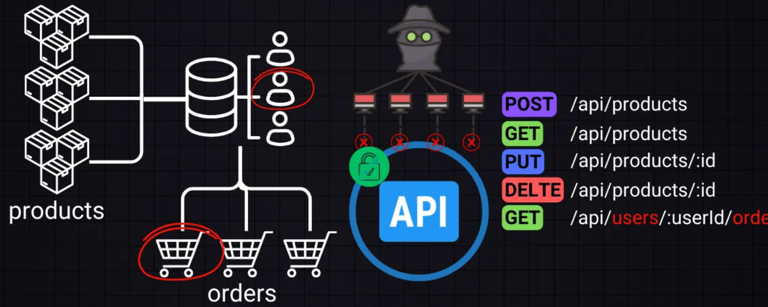
A well-structured API-first approach is essential for building scalable and interoperable digital services. RESTful APIs, GraphQL, and gRPC facilitate seamless communication between applications, allowing businesses to integrate new services with existing systems. Secure API gateways help manage access control, rate limiting, and authentication, ensuring smooth and efficient service interactions. APIs enable third-party integrations, mobile applications, and microservices architecture, making digital services more modular and scalable.
Automation & AI Integration
Automating repetitive tasks with Robotic Process Automation (RPA) and integrating AI-driven solutions enhances operational efficiency and decision-making. AI-powered chatbots improve customer support, while machine learning algorithms help in predictive maintenance, fraud detection, and personalized recommendations. Businesses can automate workflows using DevOps pipelines, CI/CD tools, and AI-driven process optimization, reducing manual intervention and increasing productivity.
Data Analytics and Business Intelligence (BI)
Leveraging Big Data, AI-powered analytics, and BI tools helps organizations make data-driven decisions. Real-time dashboards (Power BI, Tableau, Google Data Studio) provide actionable insights into business performance. AI-driven predictive analytics identifies market trends, customer behavior, and operational bottlenecks, enabling proactive decision-making. Cloud-based data lakes and warehouses streamline data storage, processing, and analysis, ensuring businesses can extract valuable insights from structured and unstructured data.